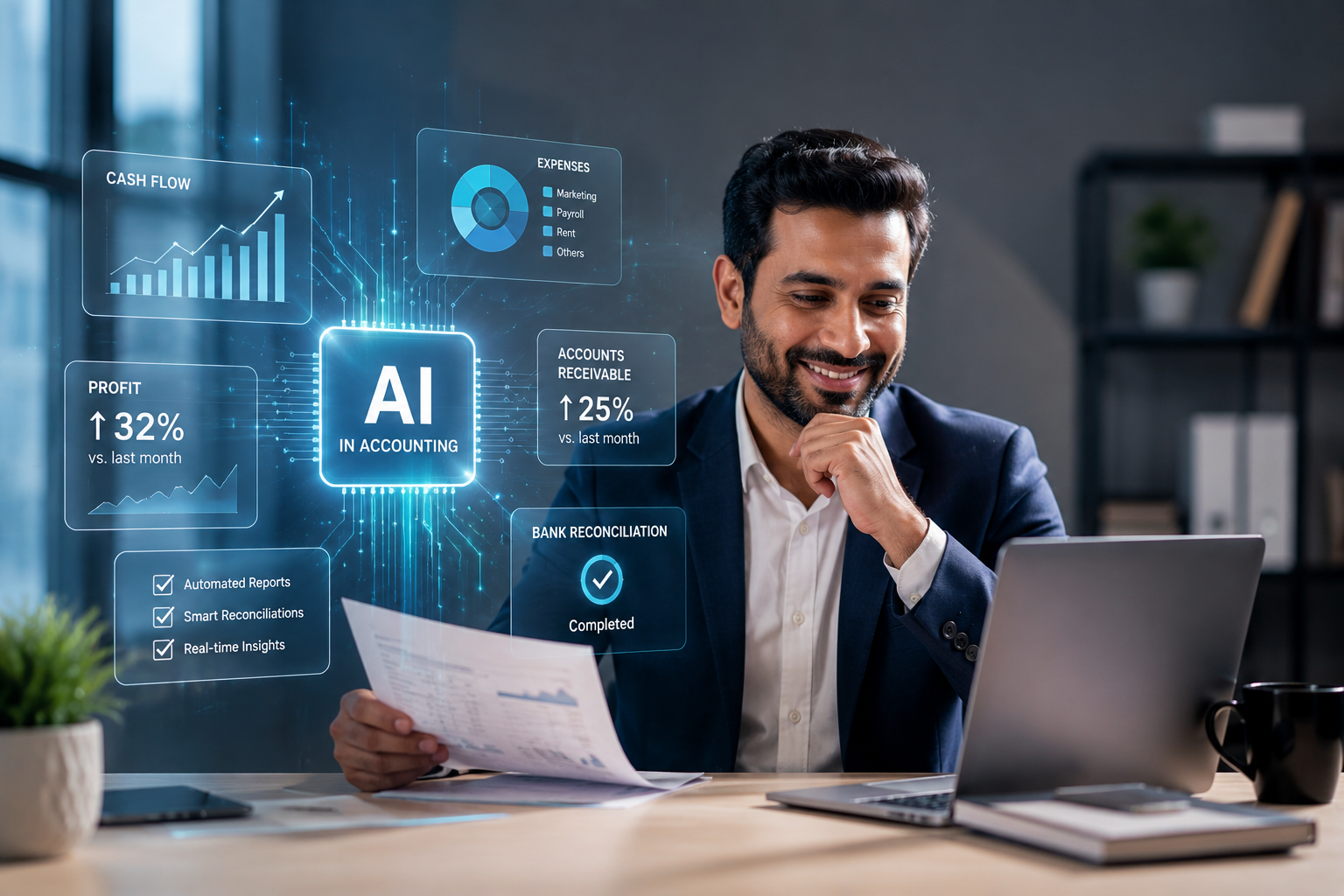
For years, accounting was seen as a back-office function. As long as invoices were recorded, taxes were filed, and financial statements were prepared, most business owners were satisfied.
That mindset is changing.
Today's businesses operate in a faster and more competitive environment. Decisions cannot wait until month-end reports arrive. Business owners want to know where their cash is going, which customers are delaying payments, and whether profitability is improving or declining.
In other words, businesses no longer want accounting that simply records the past. They want accounting that helps them make better decisions for the future.
This is exactly where artificial intelligence and automation are changing the landscape of accounting services.
From Bookkeeping to Business Intelligence
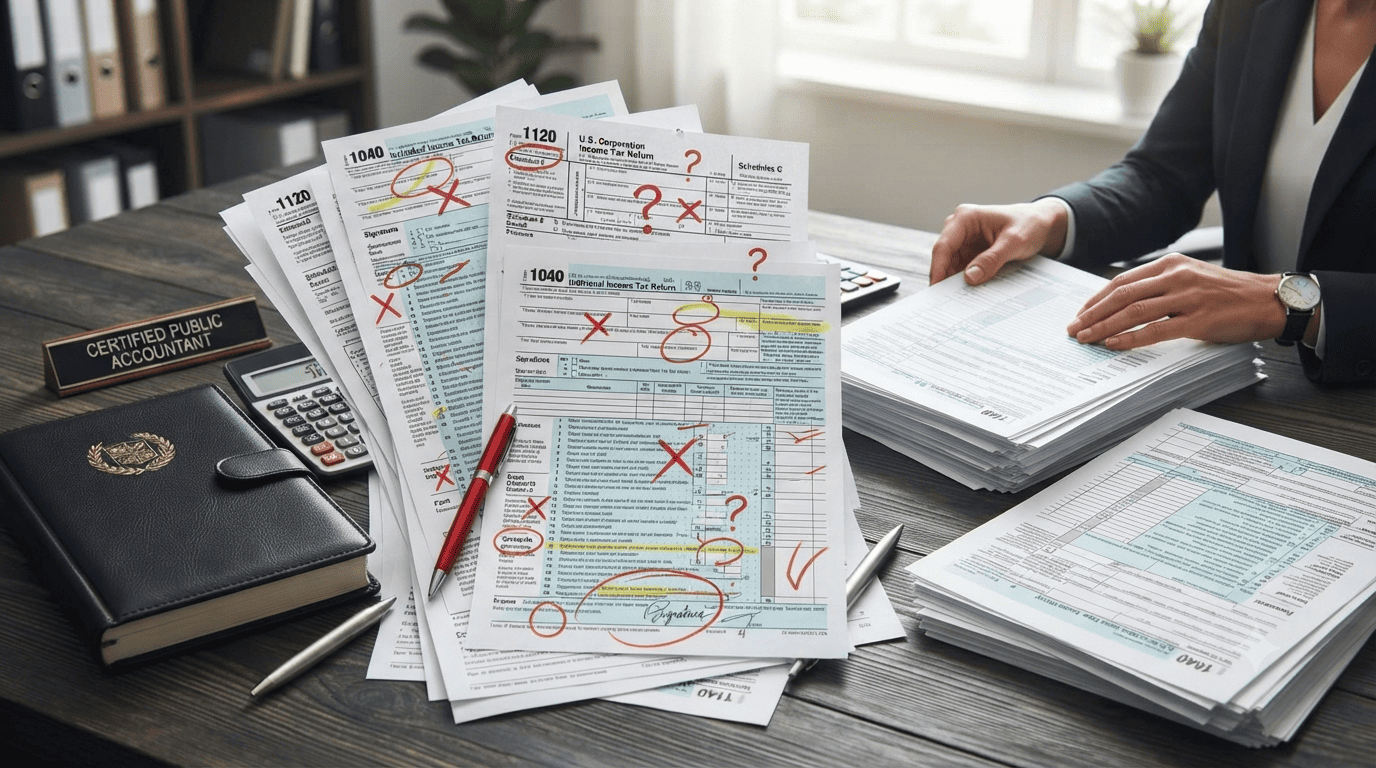
Traditional accounting processes involve a significant amount of manual work. Invoices need to be entered, expenses need to be categorized, bank statements need to be reconciled, and reports need to be prepared.
While these activities remain important, they often consume valuable time that could be spent analysing the numbers and improving business performance.
AI and automation are helping eliminate many of these repetitive tasks.
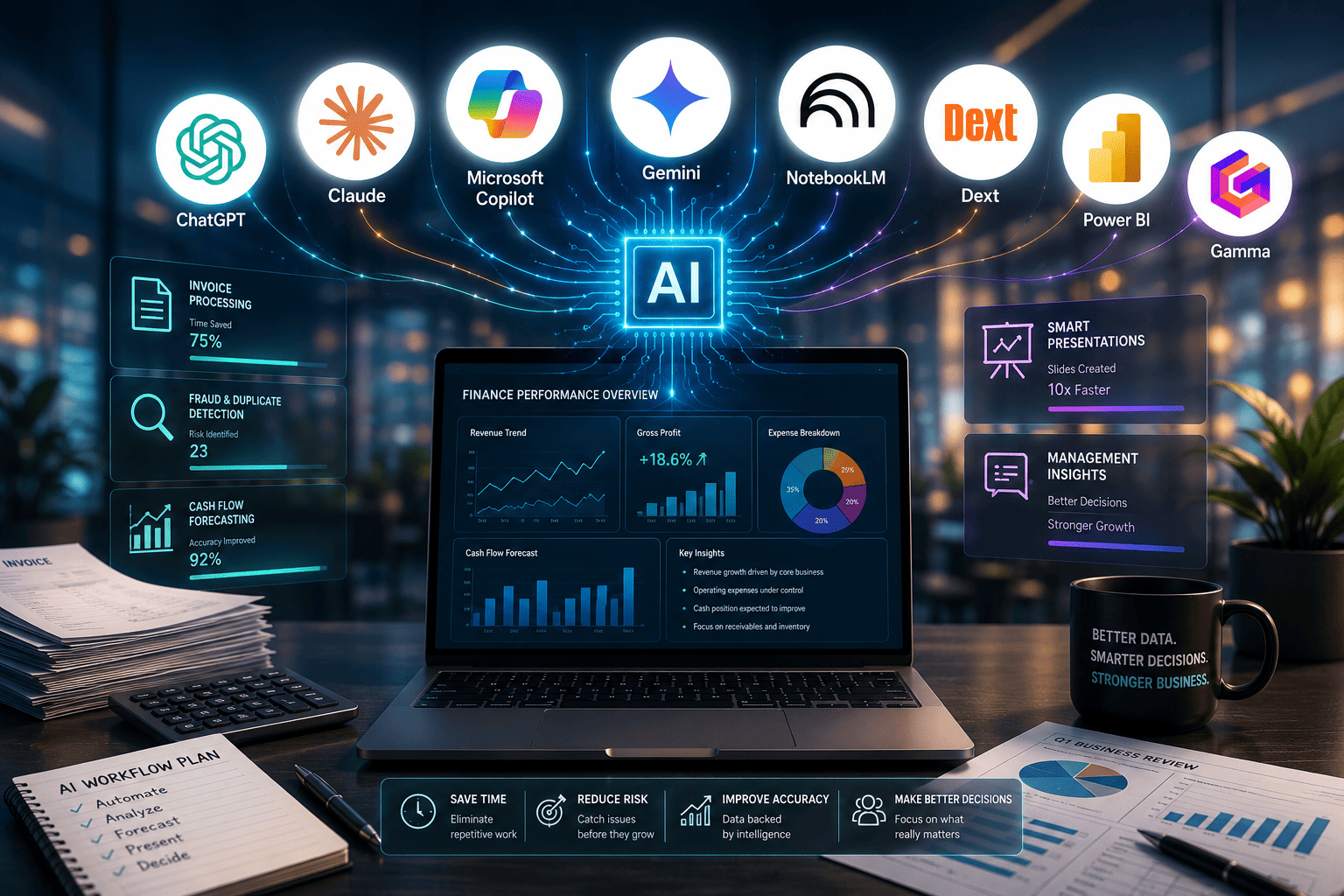
Modern accounting systems can automatically capture invoice data, classify transactions, reconcile bank entries, and generate reports with minimal manual intervention. What previously required several hours can now be completed much faster and with greater consistency.
The biggest benefit is not speed alone.
By reducing the time spent on routine activities, accountants can focus on providing insights that help business owners understand their financial position more clearly.
The conversation shifts from "Are the books updated?" to "Why is our cash flow tightening?" or "Which product line is generating the highest margins?"
That is where accounting begins to create real business value.
Technology Is No Longer Just for Large Corporates
A decade ago, sophisticated accounting technology was largely limited to larger organizations with dedicated finance departments and significant software budgets.
Today, cloud-based platforms have changed that reality.
Solutions such as Zoho Books and QuickBooks have made modern accounting tools accessible to businesses of all sizes. These platforms allow businesses to automate invoicing, track receivables, manage expenses, reconcile bank accounts, and generate financial reports in real time.
For SME owners, this means less reliance on spreadsheets and greater visibility into business performance.
However, implementing software is only one part of the equation.
Many businesses invest in accounting software but continue to struggle with delayed reporting, inaccurate records, and inconsistent processes. Technology works best when it is supported by strong accounting practices and professional oversight.
That is why many growing businesses are increasingly relying on accounting service providers who understand both the technology and the accounting behind it. The combination of modern tools and experienced professionals often delivers far better results than software alone.
Better Visibility Leads to Better Decisions
One of the biggest challenges for small businesses is the lack of timely financial information.
Many business owners only review detailed financial reports when preparing taxes, applying for financing, or meeting with investors. Unfortunately, by that stage, important issues may have already developed.
AI-powered accounting systems are helping solve this problem.
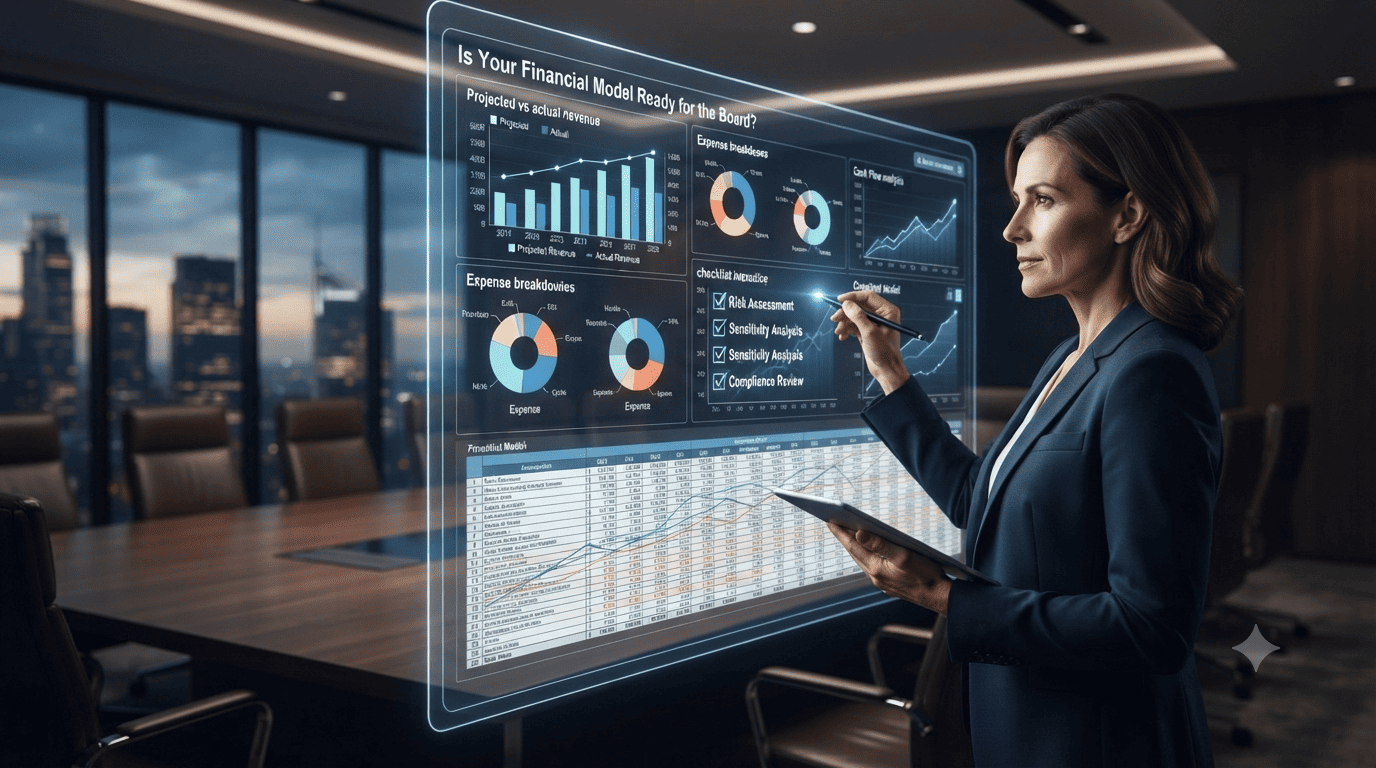
Financial data can now be processed continuously, allowing businesses to access more up-to-date information throughout the month. This creates greater visibility into cash flow, profitability, expenses, receivables, and working capital.
For example, you may identify a rise in operating costs before it impacts profitability. You may notice that a major customer is consistently delaying payments. You may discover that a particular product or service is generating stronger margins than expected.
These insights help you act sooner rather than later.
When business owners have access to better information, they make better decisions. And better decisions often lead to better business outcomes.
Accuracy and Compliance Are Becoming More Important
As businesses grow, financial complexity increases.
More transactions, more customers, more vendors, and more regulatory requirements create greater opportunities for mistakes. A small accounting error can sometimes lead to larger problems involving taxes, compliance, or financial reporting.
Automation helps reduce these risks.
AI-driven systems can identify unusual transactions, highlight discrepancies, and improve reconciliation accuracy. Automated workflows help ensure that information is processed consistently and that important tasks are not overlooked.
For businesses, this means fewer surprises and greater confidence in their financial records.
At the same time, compliance obligations continue to expand. GST filings, TDS requirements, payroll compliance, and statutory reporting all demand attention.
Modern accounting services are increasingly using automation to simplify these processes, improve accuracy, and reduce the administrative burden on business owners.
What This Means for SMEs
The rise of AI is not about replacing accountants. It is about changing how accounting is delivered.
Business owners are beginning to expect more from their accounting function. They want timely information, meaningful insights, stronger controls, and greater visibility into their business performance.
Meeting those expectations requires more than software. It requires a combination of technology, processes, and accounting expertise.
This is one reason why outsourced accounting services continue to gain popularity among SMEs. Instead of investing heavily in systems, hiring additional staff, and building internal processes from scratch, businesses can gain access to experienced professionals who already work with modern accounting platforms and established workflows.
The result is often a more efficient and scalable finance function without the complexity of managing everything internally.
The Future of Accounting Is Smarter and More Connected
The accounting profession is evolving rapidly.
Businesses are moving away from manual processes and toward real-time reporting, automated workflows, and data-driven decision-making. What was once considered advanced is quickly becoming standard practice.
For SME owners, this presents a significant opportunity.
Modern accounting services can now provide faster reporting, stronger accuracy, better compliance management, and deeper business insights than ever before. Businesses no longer need large finance departments to access these capabilities.
The real advantage comes from combining technology with expertise.
Many SMEs are discovering that the biggest benefit of modern accounting services is not the software itself. It is having a finance partner that can bring together technology, process, and professional expertise to help the business grow with confidence.
And as AI continues to reshape accounting, businesses that embrace these changes are likely to be better positioned for the future.
Need help applying this insight?
Our consulting team helps businesses translate strategy into practical action.
Talk to our team →